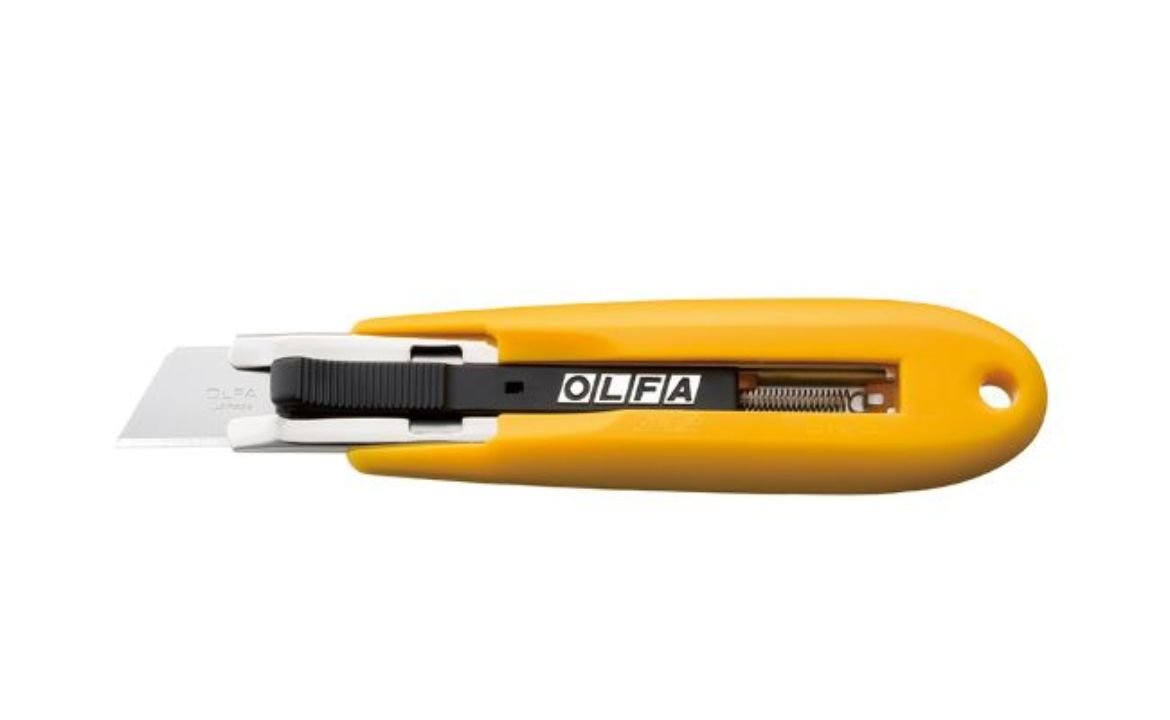
Below is a unique article built around the phrase “usitility sk‑fupy7zs0” (interpreting it as a coined/fictional term). If you meant something different (e.g. “usitility sk‑fupy7zs0” is a product, code, or has special meaning), I can adjust accordingly.
Introduction
In the digital age, novel identifiers and cryptic codes often emerge—whether as product SKUs, internal platform tokens, or emerging service names. “usitility sk‑fupy7zs0” is one such enigmatic label. At first glance, it looks like a system-generated string; but on closer inspection, it suggests deeper themes of “utility,” system naming, and perhaps modular services. In this article, we’ll explore possible interpretations, design contexts, and the imaginative scope behind “usitility sk‑fupy7zs0.”
What Could “usitility sk‑fupy7zs0” Mean?
Parsing the Term
Let’s break it down:
- usitility — visually close to utility, but with an extra “si.” This could be a coined brand name, a namespace prefix (e.g. “u‑” + “s” + “utility”), or a typographical variant.
- sk‑fupy7zs0 — this looks like a code segment or identifier, possibly a SKU, token, hash suffix, or version tag.
Together, “usitility sk‑fupy7zs0” could be:
- A product identifier (e.g. “Usitility” line, SKU “sk‑fupy7zs0”).
- A service key / API key token associated with the “usitility” domain.
- A project name + build code, e.g. project “usitility,” build “sk‑fupy7zs0.”
- A stylized mash‑up phrase used in a fictional or speculative setting (e.g. in sci-fi, software universe, or branding experiment).
Possible Use Cases & Contexts
1. As a Product SKU
If “usitility” is a brand, then “sk‑fupy7zs0” is a SKU or serial code. In this case:
- The product might belong to a line of “utility” tools (hardware, software, modular utility devices).
- The code could encode version, batch, region, or variant (e.g. “sk” might refer to “stock‑keeping,” “skus,” or a location).
- The string “fupy7zs0” may be randomized or follow an encoded scheme.
2. As a Software / API Token
In software systems:
- “usitility” could be the name of a platform (e.g. microservices suite).
- “sk‑fupy7zs0” may be a secret key, service key, or access token tied to “usitility” functions.
- It might permit certain operations: e.g. “usitility.SK<token>.invoke(…)” in code.
3. As a Project & Version Combination
Often developers use labels like project‑branch_buildcode:
- Project name: usitility
- Branch or subsystem: “sk”
- Build or commit tag: “fupy7zs0”
This allows traceability in logs, debugging, or deployment metadata.
4. As a Conceptual / Branding Tool
Alternatively, “usitility sk‑fupy7zs0” could be a creative brand in fiction or speculative design:
- A futuristic utility corporation in a novel or game, with “sk‑fupy7zs0” as one of its product lines.
- A stylized naming convention in an art / tech exhibit, referencing the blurred lines of utility and digital identity.
Design Principles Behind Such Names
If one were to adopt “usitility sk‑fupy7zs0” as a real design name, here are considerations and principles:
Readability vs Obfuscation
- The name mixes a readable root (“usitility / utility”) with opaque suffix. This balances user recognition with uniqueness.
- But too much opacity reduces memorability. So context (catalog, UI, docs) is essential.
Namespace Uniqueness
- The suffix “sk‑fupy7zs0” likely ensures global uniqueness (no clashes).
- Useful in system registries, APIs, or inventory systems.
Versioning & Hierarchy
- The structure could allow hierarchical meaning: “sk” could be a module, “fupy7z” a version sequence, “s0” the sub‑variant.
Branding & Identity
- The coined “usitility” suggests “you + utility” or “ultimate utility.”
- The code suffix gives a techy, modern edge—suitable for IoT, platform, SaaS brands.
Hypothetical Scenario: “usitility sk‑fupy7zs0” as a Smart Device
Imagine “usitility” is a brand of smart home devices. One of their units is identified as sk‑fupy7zs0:
- Device Type: a multifunction “Utility Node” combining sensor, switch, power backup.
- Identifier: “usitility sk‑fupy7zs0” is printed as the serial/ID.
- Use Case: upon setup, software prompts “Enter your node ID (e.g. sk‑fupy7zs0) to pair.”
- Firmware Updates: later, “sk‑fupy7zs1” or “sk‑fupy7zsA” may appear.
This approach blends branding (“usitility”) with granular identity (the suffix).
Challenges & Cautions
While creative, this naming format has potential pitfalls:
- User Friendliness: Users may mistype or misread “sk‑fupy7zs0.”
- Error Handling: Robust validation needed in input fields.
- Scalability: If many products or codes follow this pattern, suffix scheme must support expansion.
- Security: If “sk‑…” is a secret key, expose risks; should never be leaked publicly.
Conclusion
“usitility sk‑fupy7zs0” might begin as a cryptic string, but exploring its structure reveals fascinating design, branding, and system possibilities. Whether as a product SKU, software token, build tag, or fictional concept, the name encapsulates the tension between utility and identity in modern systems.
If you tell me what “usitility sk‑fupy7zs0” really refers to (a device, service, software, or something else), I can refine or expand this article further. Would you like me to do that?
